
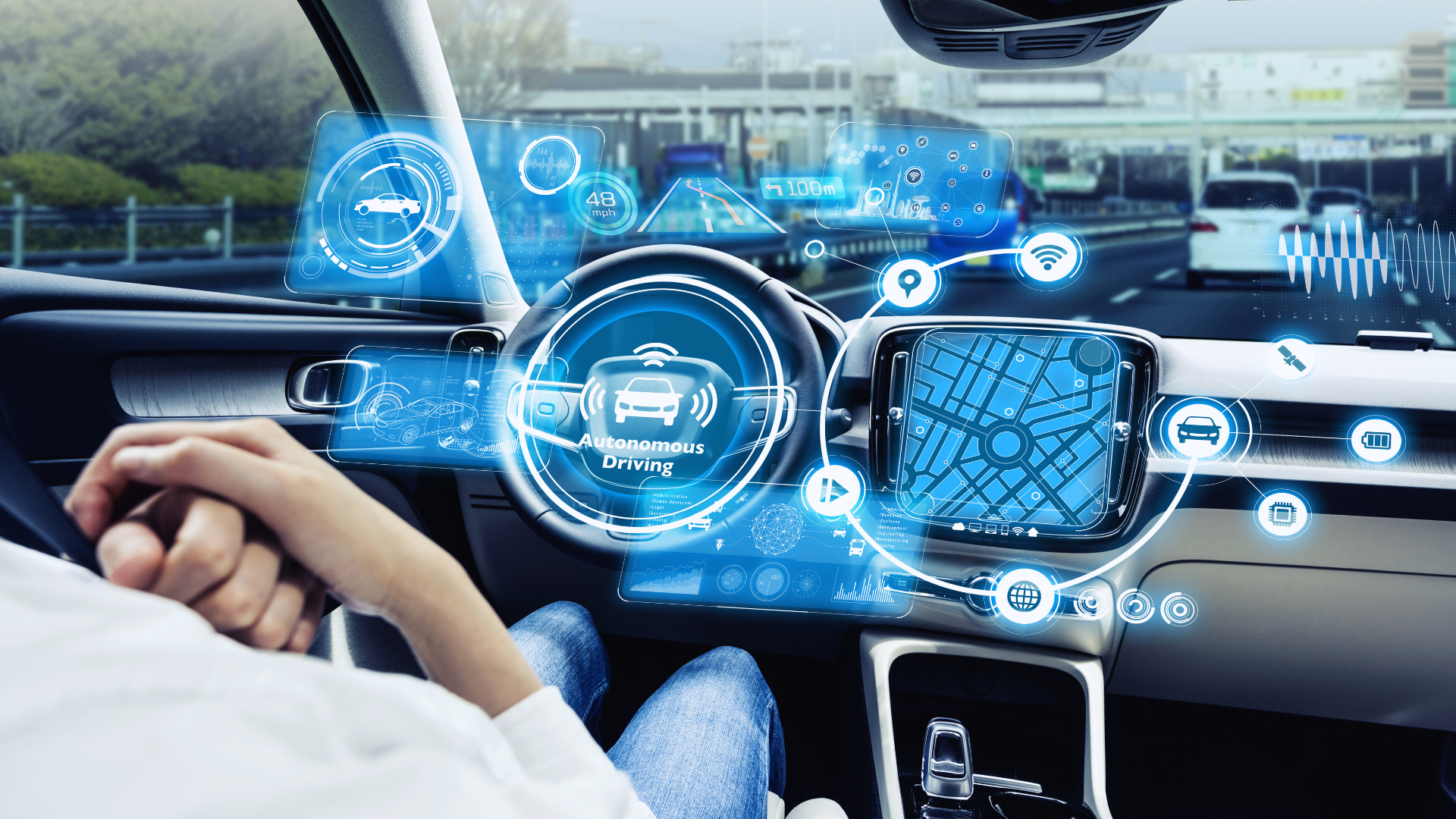
Autonomous vehicles are rapidly transforming the landscape of modern transportation. As technology advances, these self-driving cars and trucks promise not only to improve mobility but also to reshape urban planning and reduce traffic congestion. The integration of autonomous vehicles into the transport system could lead to increased safety, reduced emissions, and more efficient use of road infrastructure.
The potential impact on public transport is particularly significant. With the rise of autonomous shuttles and buses, there is the possibility of enhanced connectivity in underserved areas. This shift could make public transport more appealing, potentially increasing ridership and reducing reliance on personal vehicles.
Moreover, the development of autonomous vehicles brings challenges and opportunities for existing transport regulations and infrastructure. Governments and agencies must consider how to adapt to these changes, ensuring safety and equitable access for all users of the road. Understanding these dynamics is crucial as society moves towards a future where self-driving technology becomes commonplace.
Fundamentals of Autonomous Vehicles
Autonomous vehicles (AVs) represent a significant shift in transportation, integrating various technologies to operate with minimal human intervention. Understanding the fundamental concepts and classifications of these vehicles is essential for comprehending their impact on transportation systems.
Defining Automated and Driverless Vehicles
Automated vehicles encompass a range of cars capable of executing specific driving tasks without human control. This category includes driverless vehicles, which operate autonomously in various environments. The defining feature of these vehicles is their ability to process and respond to sensory input, allowing them to navigate roads safely.
Unlike conventional vehicles that rely entirely on human drivers, AVs employ sophisticated technology to enhance safety and efficiency. They are engineered to obey traffic laws, avoid obstacles, and make real-time decisions, contributing to reduced accident rates.
Levels of Autonomy and Industry Standards
The Society of Automotive Engineers (SAE) has established a classification system to delineate levels of vehicle autonomy. This system ranges from Level 0, where the human driver performs all tasks, to Level 5, representing fully autonomous vehicles capable of operating without any human input.
- Level 0: No automation
- Level 1: Driver assistance (e.g., adaptive cruise control)
- Level 2: Partial automation—the vehicle can control steering and acceleration
- Level 3: Conditional automation—the vehicle can handle most driving tasks, but human intervention is required in specific situations
- Level 4: High automation—the vehicle can operate independently in defined conditions
- Level 5: Full automation—vehicle requires no human presence
Understanding these levels is crucial for evaluating the capabilities and limitations of different AV designs.
Key Technologies: Sensors, Cameras, and AI
The functionality of autonomous vehicles relies heavily on a combination of sensors, cameras, and artificial intelligence (AI). These technologies work together to enable AVs to perceive their environment accurately.
Key Components:
- Sensors: Lidar and radar systems provide distance measurements and object detection.
- Cameras: Used for lane tracking and recognising road signs and traffic signals.
- AI Software: Provides the processing power required for real-time decision-making.
These elements create a digital perception of the vehicle’s surroundings. Enhanced data processing capabilities allow AVs to analyse multiple inputs, improving navigation and reaction times, which ultimately fosters safer transportation.
Impact on Modern Transportation
Autonomous vehicles are poised to revolutionise transportation, impacting safety, mobility, traffic management, and integration with existing vehicle technologies. These advancements aim to enhance the efficiency and effectiveness of transport systems worldwide.
Safety Advances and the Reduction of Accidents
Autonomous vehicles incorporate advanced technologies that significantly enhance road safety. With systems designed to minimise human error, these vehicles can react faster than human drivers in various situations. Sensor technologies, including LIDAR and cameras, constantly monitor the vehicle’s environment, identifying obstacles, pedestrians, and other vehicles.
Research indicates that automated vehicles could reduce accidents by up to 90%, leading to a safer road environment. Reducing accidents not only saves lives but also decreases the economic burden on the healthcare system and insurance industries. The transportation industry stands to benefit greatly as safer vehicles lead to fewer claims and lower insurance costs.
Mobility Improvements and Accessibility
Automated vehicles provide substantial improvements in mobility, especially for populations that may encounter barriers to traditional transport, such as the elderly and disabled. Self-driving taxis and shuttles promise more flexible transport options, enabling increased independence for these groups.
Furthermore, these vehicles can optimise routing and scheduling, allowing for on-demand transport services. As a result, areas with limited public transport options can receive better service, connecting individuals with essential resources and employment opportunities. This shift can enhance urban living, making cities more accessible and inclusive.
Traffic Management and Congestion Solutions
Autonomous vehicles can potentially transform traffic management through more efficient utilisation of road networks. By communicating with each other and infrastructure, they can adapt to real-time traffic conditions. This responsiveness can contribute to reducing congestion significantly.
Employing techniques like platooning—where vehicles travel closely together to minimise air resistance—can further decrease traffic volume on major routes. As these vehicles become more prevalent, cities can enhance their infrastructure to support smart traffic systems, integrating sensors and communication technologies to manage flows dynamically.
Integration with Electric and Connected Vehicles
The synergy between autonomous, electric, and connected vehicles represents a profound transformation in modern transportation. Electric autonomous vehicles reduce carbon emissions, contributing to efforts in combating climate change. As cities look to become smart, integrating these technologies enhances energy efficiency and sustainability.
Connected vehicles improve data-sharing capabilities, allowing for better coordination between public and private sectors. This interaction can lead to innovations in urban planning and development, shaping smart cities that utilise real-time data to optimise transportation systems. Enhanced connectivity also fosters user trust, essential for the widespread adoption of automated vehicles.
Societal and Economic Effects of AVs
Autonomous vehicles (AVs) present a transformative shift, influencing employment landscapes, societal benefits, and the trucking industry. Their integration may redefine how individuals and businesses engage with transport and logistics.
Implications for Employment and Job Losses
The rise of AVs raises significant concerns regarding job displacement. The trucking sector is particularly vulnerable, as many truck drivers may face redundancy. It is projected that millions could lose their jobs as the industry transitions to autonomous systems.
Moreover, roles in various supportive services could diminish, from logistics management to vehicle maintenance. The public and private sectors may need to collaborate on retraining programmes. This approach would help those affected transition into new employment opportunities in this evolving landscape.
Societal Benefits and Public Perceptions
AVs are expected to contribute substantial societal benefits. Enhanced safety, reduced traffic accidents, and improved traffic flow are among the anticipated advantages. Studies indicate that AVs could lower road fatalities, as human errors currently account for the majority of collisions.
Public perceptions of AVs vary. While many appreciate the potential for greater safety and convenience, concerns about reliability and technology reliance persist. Those fears may affect widespread adoption, necessitating ongoing public education and outreach to build trust in this emerging technology.
Influence on Freight and the Trucking Industry
AV technology is poised to revolutionise the freight and trucking industry. Automation can improve efficiency in logistics, thereby reducing costs. Companies adopting AVs may benefit from lower operational expenses and increased delivery speeds.
The impact on human drivers may lead to a restructuring of workforce roles within the trucking ecosystem. Freight operations could see a shift towards more remote monitoring and management. This evolution presents both opportunities for growth and challenges for employment in traditional driving roles.
AVs are likely to reshape interactions across various sectors, demanding adaptation at every level.
Legislation, Standards, and Key Industry Stakeholders
The landscape of autonomous vehicles is shaped profoundly by legislation, industry standards, and prominent stakeholders. As technology progresses, regulations must adapt to ensure safety and innovation.
Evolving Laws and Regulatory Frameworks
The regulatory environment for autonomous vehicles is in a state of flux. Governments across the globe are drafting new legislation to accommodate the rise of these technologies.
In the UK, the Automated and Electric Vehicles Act provides a framework for the use of automated vehicles. This includes provisions for insurance and liability, ensuring that manufacturers are accountable for their products.
In the United States, various states have implemented their legislation, often resulting in a patchwork of laws. This hinders the broader deployment of autonomous vehicles, as companies like Waymo must navigate different rules in each region.
Role of Industry Leaders and Organisations
Industry leaders play a pivotal role in shaping the future of autonomous transportation. Waymo, a subsidiary of Alphabet Inc., is at the forefront of developing self-driving technology, significantly influencing standards and practices.
Organisations such as the Society of Motor Manufacturers and Traders (SMMT) advocate for the automotive industry, promoting the safe and effective integration of autonomous vehicles. Similarly, SAE International sets widely recognised standards for vehicle automation, defining levels of autonomy to provide clarity for manufacturers and regulators.
These stakeholders collaborate to inform and influence policy discussions, ensuring that technological advancements align with regulatory expectations.
The Path to Full Autonomy
Achieving full autonomy in vehicles remains a complex goal. Experts categorise vehicle automation into six levels, from Level 0 (none) to Level 5 (full automation).
Progress requires not just technological advancements, but also robust legislative frameworks and industry collaboration. Regulatory bodies must ensure that laws keep pace with innovation to facilitate the safe deployment of Level 4 and Level 5 systems.
Stakeholders, including manufacturers and regulators, must work together to establish a roadmap for overcoming challenges associated with infrastructure, safety, and public acceptance. As developments unfold, the goal of widespread autonomous vehicle adoption becomes more attainable.